This Week

The Light that embraces us all

A Christmas special!


On Christmas Eve, we celebrate the birth of Jesus, the light that interrupts darkness and brings hope, peace, joy, and love. This light, embodied in a vulnerable child, is not just a memory but a present reality that shines into our lives, even in the darkest moments. We are called to reflect this light through kindness, courage, and compassion, sharing it with others and bringing hope to a world in need.

People of the Dawn: Signs of Newness in the Fidelity of Love

This study guide was put together prior to the terrorist activity afflicting the Jewish Community of Bondi North, Sydney, on 14th December. Chanukkah, a festival of joy, became a moment in history where ideology masquerading as faithfulness sought to bring as much pain as possible on a day when Christians were also celebrating the Joy of God’s presence. 

The Advent message remains one of light and hope. Today, we explore the interruption in light of the mourning of the people of faith in Bondi, and our sisters and brothers of all Abrahamic Faiths.

In a world often gripped by fear and uncertainty, we illuminate the profound mystery of Advent’s fourth candle – Love – weaving together the stories of King Ahaz, Joseph, and the “doubting” Thomas to reveal God’s transformative presence among us. 

Through Isaiah’s ancient prophecy of Emmanuel and Matthew’s account of Joseph’s faithful response to the divine dream, we witness love taking flesh in the most unexpected ways. 

These biblical narratives to our present moment, reminding us that God’s love isn’t a distant concept but a living reality that continues to manifest in our community, beautifully exemplified through the six-decade-long ministry of faithful servants like Fr Jim Reeves and Fr Michael Fox. 

By the serene waters of Gippsland Lakes, where horizon meets heart, we’re challenged to recognise that Advent love isn’t passive but incarnational – calling us, like Joseph and Thomas, to move beyond our doubts and fears to embrace God’s presence in tangible ways. 

As we approach the celebration of Christ’s birth, we’re urged to let this divine love take flesh in our own lives, transforming our service, compassion, and faith into living testimonies of Emmanuel – God with us.

O Oriens,
Radiance of eternal Light,
Sun of righteousness,

come and shine on those who dwell in darkness
and the shadow of death.

Where hearts are heavy and hopes grow thin,
rise upon us.
Where nations strain toward peace,
dawn among us.
Where the weary wait for morning,
be our light.

As blessing once flowed from Aaron—
down beard and robe,
binding the tribes in one calling—
let your light now fall upon all peoples,
gathering what is scattered,
healing what is divided,
and warming the cold places of the world.

Turn our faces toward the coming day.
Teach us to walk as children of the dawn,
until night yields to joy
and all creation lives in your light.

Come, O Dayspring.
Do not delay. Amen.

3,595 hits

People of the Dawn: Signs of Joy in the Wilderness

Advent is the season when the Church stands in the half-light of dawn—between what has already been and what is yet to come. It is a time when we lean forward into God’s promises, listening for the quiet stirrings of joy in unexpected places.

Here in our southern land—where Advent arrives not with winter darkness but with long evenings, cicada-song, and warm winds—joy takes on its own texture. It appears in green shoots on burnt ground, in birdsong before dawn, in the neighbour who checks in unasked, and in the quiet strength we draw from community.

Gaudete Sunday—“Rejoice!”—is a pause in the season’s quiet waiting, a reminder that joy is not only ahead of us but already among us.

This study invites groups and individuals to listen deeply to the voices of Isaiah, the Psalms, James, and the Gospel. Each reading opens a different window onto joy: blossoms in the desert, God’s steadfast care for the vulnerable, the honesty of doubt, and the unmistakable signs of renewal that mark the kingdom of God. Together they reveal that joy is not a fleeting emotion but a posture shaped by trust, mercy, and expectation.

People of the Dawn

Are you feeling the weight of darkness in your life? Like those early morning birds on the lake who herald the coming dawn before anyone sees it, come with us into Advent’s transformative promise. Through vivid stories of nature’s dawn chorus and Paul’s urgent call to “wake from sleep,” this message reveals how we can live as people of dawn—even when light seems distant. Learn practical ways to shift from fear to faith, from exhaustion to hope, and from distraction to devotion. This is a timely reminder that God’s new day is already breaking—discover how to become a herald of hope in our weary world.

The Reign of Christ: from Hope to Grace

Have you ever felt the world spinning out of control, yearning for something solid to hold onto? Today, we explore how Christ’s kingship offers not a distant authority but an intimate grace that holds our fragmenting world together. Through Jeremiah’s shepherd-king, Zechariah’s dawning light, and the paradox of a crucified King, we discover how hope transforms into grace at the cross. Whether you’re seeking direction or desperately in need of assurance, this timely message reveals how Christ’s reign brings healing to our fractured lives. In this transformative journey from hope to grace— discover how Love holds all things together.
 

As the congregation stands between the Year of Hope and the Year of Grace, we are challenged to embody this transformative grace in our community – to become agents of compassion, forgiveness, and light. 

The urgent call rings clear: in Christ’s reign, love overcomes fear, mercy triumphs over judgment, and grace conquers death itself. God reigns in forgiveness as we all receive, grace upon grace. 


Why follow when the world burns?

In a world that often feels like it’s burning, as we approach the end of the International Year of Hope, we once again view it through the lens of Job’s unwavering faith. Drawing parallels between ancient scripture and modern-day struggles, including a poignant conversation with Hassan in war-torn Gaza, he explores the profound mystery of following Christ amid devastation. Through the interconnected stories of Job’s defiant declaration, “I know my Redeemer lives,” and Hassan’s steadfast belief that “Peace will reign,” we can see how God’s glory manifests not in displays of power, but in the suffering love.

© Dennis Webster 2025

Southern Aurora over Lake Victoria, 12 November 2025

When confronted by the fiery prophecies of Malachi, the victorious praise of Psalm 98, and Jesus’s sobering words about endurance, it is apparent that endings often signal God’s new beginnings. The sermon crescendos with a compelling truth: we follow Jesus not because the path is safe, but because He has already walked it and awaits us.

In these turbulent times, the challenge is to embrace Job’s steadfastness, Paul’s dedication, and Christ’s enduring promise that by our endurance, we will gain our souls. His urgent call beckons us to work quietly, love deeply, and hope fiercely, knowing that our Redeemer lives and stands with us still.

I Hear the Ancient Footsteps

This sermon, titled “I Hear the Ancient Footsteps,” integrates themes of Every Grain of Sand, the meteor moment, All Saints continuity, Remembrance, CFA/SES thanksgiving, and the significance of steps. It emphasises faith as defiance against meaninglessness, resurrection as real, and the end as not terror but Kingdom, communion, and Christ. The sermon encourages standing firm, like CFA & SES in crisis, and highlights the importance of our footsteps, walking with those who have gone before us and those who will come after.

The five-day devotional will be trekking the sermon from this weekend. It will explore the themes of faith, hope, and resilience in the face of life’s uncertainties. Each day will offer reflection, prayer, and a closer examination of the Scriptures shared during the sermon, guiding us on a journey toward understanding and embracing our steadfast God and His plans for us.

I want to be forever young…

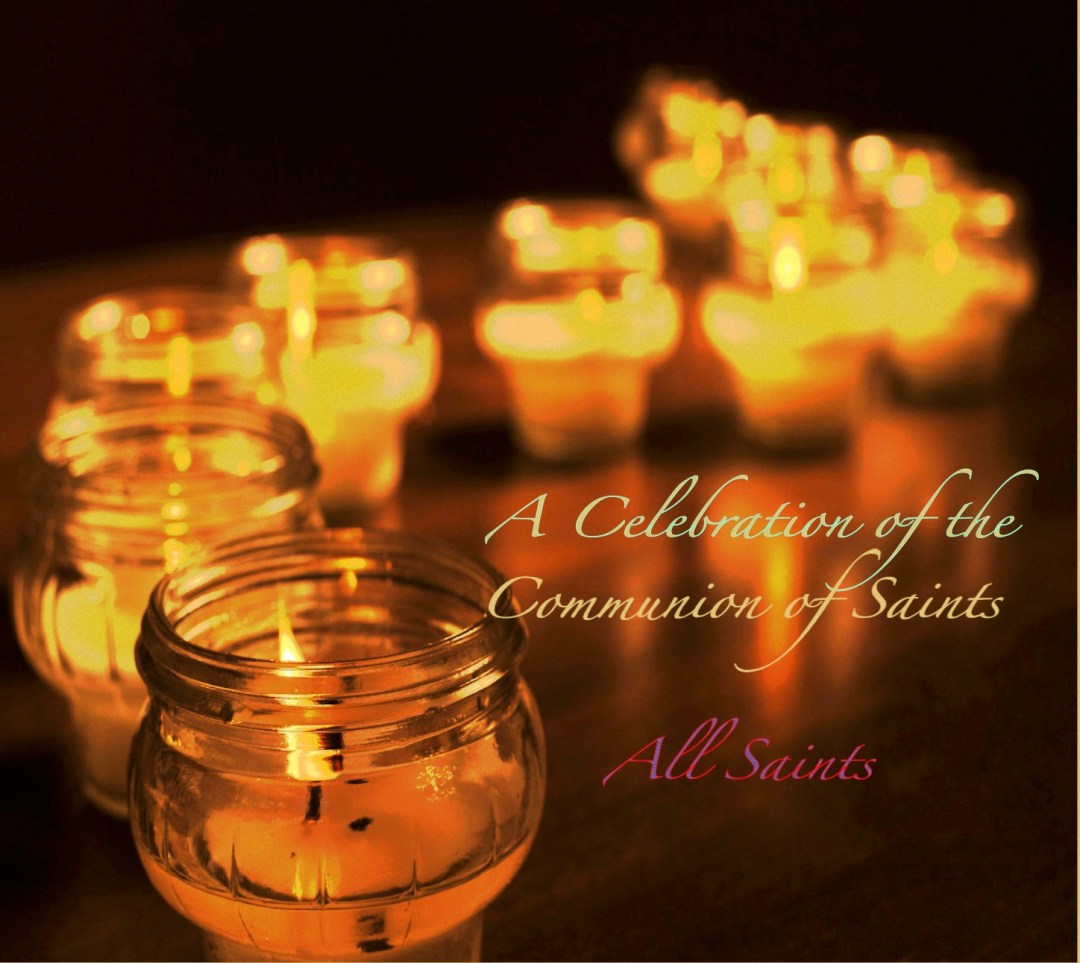
The sermon for All Saints’ Day celebrates the communion of saints, emphasising that saints are not distant figures but a living, breathing family spanning heaven and earth. It highlights that the communion of saints begins now, as we are adopted into God’s family and called to live out our inheritance with courage and gratitude. The sermon challenges the congregation to embody this inheritance through acts of love and service, inspired by the saints of Scripture, history, and their local community.

Living as Agents of God’s Love

This week, we explore the theme of change and growth, drawing parallels between the evolution of music and the journey of faith. It highlights the need for lament, hope, and faithful love, as exemplified in the scriptures from Jeremiah, Luke, and 2 Timothy. The sermon encourages embracing change, trusting in God’s mercy, and living as agents of His love, even amidst technological advancements and shifting musical styles.

Ultimately, we are encouraged as the congregation to fully embrace change as an essential part of life and faith. It speaks to the importance of trusting in God’s unwavering mercy as we navigate our personal journeys and the world around us. Furthermore, we are challenged to live as active agents of His love, inspiring others through our actions, especially in an era marked by rapid technological advancements and continually shifting musical styles.

By doing so, we can cultivate a community rooted in love, hope, and faithfulness amidst the inevitable changes we encounter.

Faith that Waits, Trusts, and Serves


Can faith as small as a mustard seed really transform your life? Through the lens of the devastating Australian bushfires, we share a powerful message about the resilience of faith. Just as charred landscapes burst forth with new life, our faith isn’t measured by quantity but by unwavering trust in God’s promises. Drawing from Habakkuk’s honest questioning and Jesus’ surprising response to the apostles, this message reveals how authentic faith waits, trusts, and serves—even in life’s darkest moments. Ready to discover how your smallest seed of faith can flourish into something remarkable? Don’t miss this transformative message about finding hope in the ashes.

Self-Satisfaction is not a godly virtue

Have you ever caught yourself shrugging off others’ suffering with “that’s just how things are”? In this powerful message, we are challenged to overcome our complacency through Jesus’ parable of Lazarus and the rich man. Through vivid contrasts between a life of lavish feasting and desperate poverty, we discover that God’s heart breaks for those we often overlook. Drawing parallels to modern attitudes about wealth and poverty, Jesus reveals how self-satisfaction blinds us to our divine calling. Don’t miss this convicting exploration of true Christian compassion—discover how stepping out of comfort into Christ-like generosity leads to “the life that really is life.”

The Call for Restorative Justice

A Peek from behind the Fig Tree

Workbook and Texts below the summary.

God invites us to align our hearts with His, embodying mercy, justice, and restoration. Jesus’ healing of the bent-over woman exemplifies true Sabbath worship—acts of mercy. St Bartholomew’s life reminds us to be faithful witnesses, aligning our hearts with God’s through integrity, openness, and trust.

  • God’s Heart: God desires mercy, justice, and restoration, inviting us to align our hearts with His.
  • True Worship: True worship involves breaking oppression, caring for the weak, and showing mercy, as exemplified by Jesus’ healing of the woman on the Sabbath.
  • God’s Kingdom: We belong to an unshakable kingdom, prompting us to worship with reverence and gratitude, rooted in trust.
  • Mercy’s Power: Jesus’s actions demonstrate that mercy surpasses rigid rules and brings restoration and freedom.
  • God’s Mercy in Action: The story of the woman bent over for eighteen years illustrates how God’s mercy lifts us up and restores our dignity.
  • Application to Our Lives: We are called to embrace God’s mercy, choosing compassion and freedom over fear and legalism, and to live as instruments of restoration in the world.
  • Bartholomew’s Character: Open, honest, and faithful follower of Christ.
  • God’s Promise: God will raise a prophet to speak God’s words, fulfilled in Jesus Christ and carried forward by disciples like Bartholomew.
  • God’s Presence: God is near to all who call upon Him, as seen in Jesus’ interaction with Nathanael.
  • Bartholomew’s Legacy: Bartholomew’s name is inscribed on the foundations of the New Jerusalem, symbolising the enduring impact of his witness.
  • Call to Faithful Living: The readings encourage us to follow the Way, the Truth, and the Life, even from a place of doubt, and to build our lives on Christ.
  • Bartholomew’s Example: Bartholomew’s life exemplifies integrity, openness, and faithful witness, inspiring us to align our hearts with God’s.

Aligning with the Heart of God


What if your prayers held the power to change the world? How do we align our prayers with the heart of God as we embrace the Lord’s Prayer?

Through the compelling story of Abraham’s bold intercession in Genesis 18, we are reminded that God is always willing to listen and forgive, even in our darkest moments.

Drawing on the consistent theme explored in Luke 10, we are drawn into a conversation about the importance of hospitality in our spiritual lives, describing how engaging in prayer invites us to advocate for justice and mercy in a fractured world.

Breaking Open the Word for the Seventh Sunday of Pentecost

Transformative Compassion begins with the Heart

What would you do if you found yourself alone on a desolate road, faced with the urge to help someone in need? In his powerful sermon, Dennis takes us on a journey through the vital call of transformative compassion, urging us to lead with our hearts in moments of decision. He illustrates this with a vivid scenario: encountering a stranded stranger in the outback, challenging us to confront our fears and prejudices.

Drawing on scripture, Dennis emphasises that compassion isn’t just a feeling but a crucial act of love that reflects God’s mercy, one that transcends boundaries and calls for self-sacrifice. He skillfully connects this message to our lives and the church’s mission, reminding us that genuine compassion emerges not from perfection but from humility and the understanding that we, too, are recipients of grace. As we explore the parable of the Good Samaritan,

Dennis invites us to embody this radical love, showing that true transformation begins within. The message resonates deeply: our faith is incomplete without this sacrificial compassion. Join us as we embrace this essential path to God’s heart—listen to Dennis’s sermon and discover the compelling call to “Go and do likewise!”

Under the Branches of the Tree of Life 

A Journey of Healing and Harmony


Are you searching for a place of healing and hope? In his captivating sermon, Dennis invites us to gather “Under the Branches of the Tree of Life,” where we discover a powerful symbol of resilience and divine connection. Rooted in biblical texts, Dennis draws from the profound imagery of the Tree of Life, illustrating how it serves as a reminder of our mission as bearers of peace and healing in today’s world.

He emphasises the commissioning of the seventy by Jesus in Luke 10, exploring how their mission is echoed in our calling to mend relationships and cultivate a community filled with God’s love. With anecdotes of comfort from Isaiah and joyful declarations from Psalms, Dennis emphasises our shared responsibility in participating in God’s re-creation.

He challenges us to reflect: Are we willing to be branches, nurturing life and comfort in our neighbourhoods?

This stirring message not only affirms our identity as vessels of the Kingdom but also compels us to take action: to plant seeds of peace and healing in the lives around us.

Don’t miss the opportunity to engage with this transformative sermon – it might just spark the change you’ve been waiting for!

St Peter: Feast of Title

This weekend, being the Feast of Sts Peter and Paul, or if you wish, just St Peter, we are keeping the feast with an Evensong on Saturday 3.30 pm and a Festive Eucharist on Sunday at 9.30 am.

There are two versions of the sermon…! I’ve kept the original ‘sandpit’ in with questions, but I am more inclined to go with the second, shorter and more lyrical story! Mind you, with two services, I could do both, but yeah, nah! (‘strine noted!)

(‘strine: local bogan dialect of Australia…as in the nation is ‘strine).

Clothed, Called, and Commissioned: A Gospel for All

Restoration in Christ doesn’t just put us back together—it transforms us and places us within a vibrant, interconnected community. This restoration is not merely about mending what was broken; it’s about reshaping our identity and purpose. In Christ, we are no longer fragmented individuals, isolated by our past or our struggles. Instead, we become part of something greater—a family bound not by blood, but by grace and faith.

We are no longer strangers wandering aimlessly or spectators observing from the sidelines. We are adopted as heirs to God’s promises, woven into the rich tapestry of His family. This new identity carries with it a profound sense of belonging and purpose. The barriers that once divided us—be they cultural, social, or personal—are dismantled through Christ’s work of reconciliation.

The story of Christ’s love and redemption spreads not through grand spectacles or fleeting displays of power, but through the quiet, transformative power of reconciliation. As relationships are healed and communities are restored, the message of Christ’s grace becomes evident. It is in the day-to-day acts of kindness, forgiveness, and unity that the world witnesses the actual impact of his restoration. This is the beauty of Christ’s work: it not only restores but also redefines, drawing us into a community where love, grace, and reconciliation are the hallmarks of our shared journey.

Dreams and Visions – the essence of Hope

Dennis emphasised the significance of dreams and visions as expressions of hope inspired by the Holy Spirit during Pentecost. He emphasised that the Spirit empowers everyone, regardless of their status, to envision a hopeful future despite a cynical world.

By drawing contrasts between the confusion of Babel and the unity experienced at Pentecost, Dennis illustrated how God’s message transcends language and division, underscoring its universal appeal. Ultimately, he called the Church to be a community of dreamers, actively engaging in the pursuit of reconciliation, justice, and hospitality, encouraging everyone to respond to God’s call with readiness and hope.

The Hope that Holds Us

Dennis emphasises the transformative power of hope, distinguishing it from mere optimism. He uses the examples of Paul and Silas, the unwavering justice of God in Psalm 97, and the inviting words of Revelation to illustrate the liberating, reigning, and unifying qualities of hope. Jesus’ prayer for unity among believers reinforces the importance of hope in our relationships and faith journeys.

Ultimately, Dennis encourages us to embrace the hope that holds us steadfast, even in our darkest moments.

Finding Hope in Unexpected Places

Sermon and Study for 25th May, 2025

Please note: There are two Gospel possibilities for Easter 6C. I chose John 5, not John 14.

Dennis emphasises that hope often emerges in unexpected places, breaking through societal rules and traditions. He illustrates this with the story of a paralysed man who, after 38 years of waiting, encounters Jesus, who offers healing without adhering to the law. The sermon contrasts the man’s isolation at the pool with Lydia, who embodies grace and hospitality, welcoming Paul and becoming a beacon of hope. Dennis calls the congregation to extend Christ’s hospitality, embrace healing as a gift, and actively notice and support those around them.

From Joppa to the World: Taking the Voice of God to the Ends of the Earth

In the study, Dennis emphasises Joppa as a significant crossroads for hearing God’s voice and responding to his call. He compares the stories of Jonah and Peter, highlighting how both faced God’s mission, with Peter ultimately choosing obedience and crossing cultural boundaries. The message extends beyond individuals to all creation, reminding the congregation of their role in stewardship and affirming that love is the defining characteristic of their mission. Dennis urges the church to respond boldly to God’s call, embracing its mission of caring for one another and the earth.

Hearing the Voice of the Shepherd

In his sermon, Dennis emphasises how the voice of Jesus, the Good Shepherd, actively shapes our lives and calls us to mission. He highlights the stories of Tabitha, Peter, Simon the Tanner, and Saul and illustrates how each person’s response to the Shepherd’s voice leads to transformation and inclusion in God’s work. Dennis urges the congregation to embody Christ’s compassion, challenge their comfort zones, and recognise the power of simple acts of hospitality. Ultimately, he calls everyone to listen for the Shepherd’s voice, prompting them to follow into a life filled with love, mercy, and mission.

Just a footnote: the late Pope Francis’ pectoral cross featured “Christ the Good Shepherd”, reminding him daily of the need to serve and protect. Francis tried to bridge the gap between the sheep with-in and those still to hear the voice of the Good Shepherd.

Asking the Questions

This weekend, we are reminded of the disciples’ fear and confusion on Easter evening when Jesus appears and offers them peace, showing his wounds instead of rebuke.

The story centres on Thomas, often labelled as “Doubting Thomas,” as simply being honest in his longing for a genuine encounter with Jesus, illustrating that asking questions is vital to discipleship.

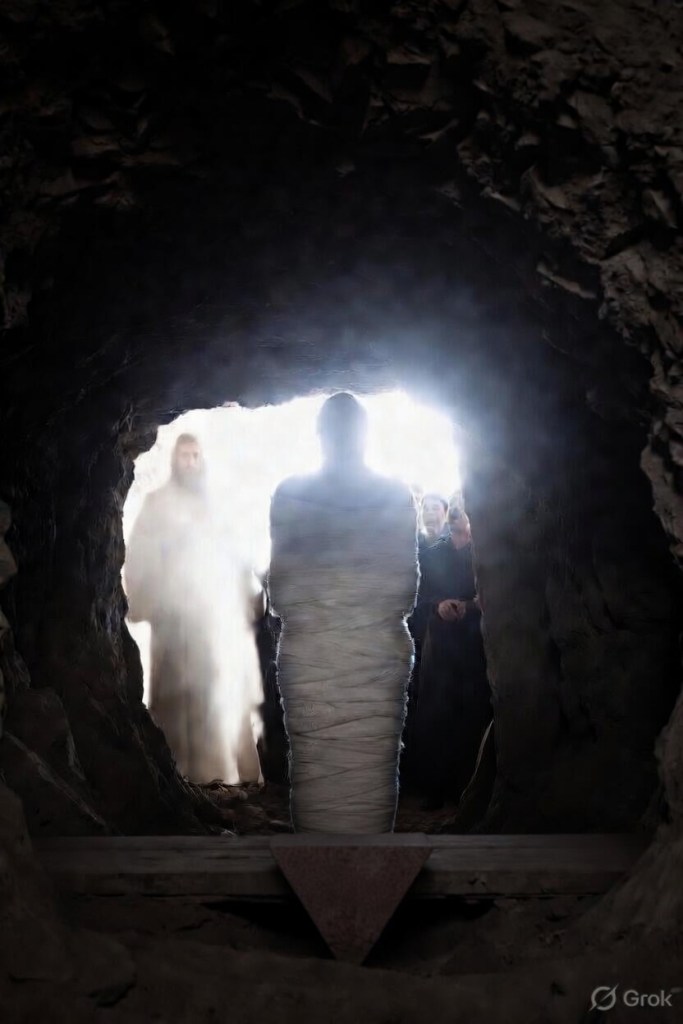
Jesus embraces Thomas’ doubts and invites him to believe, leading to one of the strongest confessions of faith in scripture.

The message encourages us to bring our questions to Jesus, who meets us in our struggles and offers a deep, meaningful peace born from his suffering.

The Towel and the Cross


The Day of Resurrection sermon reflects on the significance of Maundy Thursday, Good Friday, and Easter Day, illustrating how the towel and the cross serve as tools for service and hope. It emphasizes that true greatness comes from serving others, and that Christ’s crucifixion reveals a deep understanding of human suffering.

The resurrection signifies a transformative hope, encouraging individuals to embrace their identity as people of service and mercy, renewing their baptismal vows to live out their faith actively.

As always, a series of discussion questions, a questioning/questionable cartoon, and a five-day devotion.

Over Sensory

Today, we reflect on the contrasting attitudes of Martha and Mary during a meal with Jesus, emphasizing Mary’s total devotion as she anoints his feet with costly perfume. While viewed by Judas as wasteful, this act symbolizes profound love and sacrifice, challenging the tendency to disguise self-interest as concern for others. We are warned against the danger of self-righteousness, urging believers to evaluate their spiritual fragrance and the authenticity of their devotion. Ultimately, the sermon calls for a commitment to offering everything to Christ, following Mary’s example of love over hypocrisy.

Squanderer!


Dennis explores the concept of being “prodigal,” illustrating how the wayward son and the father embody this term through reckless actions and extravagant forgiveness.

He emphasises the significance of remembering our identities and relationships with God, as the prodigal son’s return reflects God’s love and redemption for those who have strayed.

The sermon highlights the danger of self-righteousness, particularly from the elder son, who struggles to celebrate his brother’s return.

Ultimately, Dennis calls the congregation to rejoice in God’s grace and to reflect on their relationships with Him and each other, encouraging repentance and a readiness to follow God’s call.

Either heaped on or nurtured, this is life as we know it!

In the words of the wonderful Mrs Dolly Levi, “Money is like manure: it is not worth a thing unless it is spread around.”

Today’s reflection is a short article exploring not only the “Parable of the Fig Tree” but also the nature of evil in the world.

Also included this week is some historical and cultural background to what can be a very problematic reading for many (courtesy of Church.Tech).

A quick summary:

1. Suffering and Resilience
Rabbi Howard Kushner’s book highlights the pain of losing a child and reflects on current global struggles, including wars and natural disasters.

2. Moral Responsibility
Jesus questions attributing blame to others for suffering, promoting self-reflection and personal accountability.

3. Repentance and Compassion 
True repentance entails personal transformation and the extension of grace to others under God’s will.

4. Nurturing Growth
The parable of the fig tree illustrates the importance of patience in fostering growth, both in ourselves and in others.

The fox went out one night

Dennis reflects on the imagery of the fox and the hen to illustrate the protective love of Jesus. He highlights how Jesus, like a mother hen, seeks to gather and protect his peopledespite the dangers posed by deceitful leaders represented by the fox.

The sermon emphasises the importance of community support, urging individuals to love and care fortheir neighbours and to stand firm in faith amid societal challenges. Ultimately, it is a call for collaboration and prayer to foster hope and security in the community, paralleling Jesus’smission with their efforts to protect the vulnerable.

Resisting Complacency: Adhering to Our Divine Calling

As the first Sunday of Lent begins, today’s reflections are on Jesus’ temptation in the wilderness, emphasising the importance of resisting distractions that lead us away from our divine calling. The reflection draws parallels between Jesus’ experience and the challenges the modern Church faces, highlighting how societal changes have impacted worship attendance and community engagement. The reflection reminds us that true faith requires unwavering commitment to God’s Word and trust in His provision, regardless of our temptations. As we begin our Lenten journey, he encourages us to follow Jesus’ example of resilience and faithfulness in the face of life’s distractions.

Exodus into Lent

Dennis invites us to reflect on significant mountain-top experiences that deepen our faith and understanding of God’s presence. He recalls how Martin Luther King Jr. and biblical figures like Moses and Elijah had transformative encounters that shaped their divine missions. As we approach Lent, Dennis emphasises the importance of preparing ourselves by embracing the light that guides us through the darkness. He calls us to celebrate the Transfiguration and reaffirm our commitment to Jesus, who fulfils the law and leads us toward renewal and redemption.

The Importance of Story

This week, we discuss the importance of storytelling in faith and community, emphasising how stories shape our identities and values. He uses examples from Scripture, such as Joseph’s forgiveness, Paul’s insights on resurrection, and Jesus calming the storm, to illustrate that these narratives reflect ongoing relevance in our lives. The sermon highlights that our personal stories are interconnected and vital, forming the foundation of our communal faith. Ultimately, we are called for action inspired by God’s mission, which encourages us to share our experiences and make a meaningful difference in our community.

Trusting in God’s Word: The Call to Faithfulness in Scripture

More an article for this week, as Dennis is having time on the bench (the organ bench) allowing for the excellent Fr. Jeff Berger to be granted the pulpit!

The article emphasises the importance of trusting God’s Word as a vital component of our faith journey. Through the readings from Jeremiah, Psalm 1, 1 Corinthians, and Luke, illustrated is the stark contrast between reliance on human strength and the blessings from faithful trust in God. It is important to encourage believers to reflect on their spiritual nourishment and to uphold the core tenets of Christianity, especially the significance of the Resurrection. Ultimately, all are called to embrace the values of God’s kingdom, finding true life and hope in divine truth rather than fleeting worldly successes.

A very fishy story

Dennis explores mathematics, faith, and biblical narratives, mainly focusing on their significance within the context of Jesus’ teachings. He parallels ancient mathematicians like Pythagoras and Archimedes and their insights, linking them to Simon Peter’s call to be a fisher of men. The sermon emphasises that, despite human limitations, divine fulfilment is possible through faith and trust in Jesus, who redeems and transforms lives. Dennis invites the congregation to recognise their role in extending God’s love and justice to others, uniting them in a mission of hope and redemption.

PS: The number 153 has no significance regarding the number of people we actively catch in our ministry or what constitutes a decent size fish. In Tasmania, we always think that 12 inches (30 cm) is a good measure, but do remember that when we measure trout and salmon in Tasmania, we measure between the eyes.

Recognising Christ among us

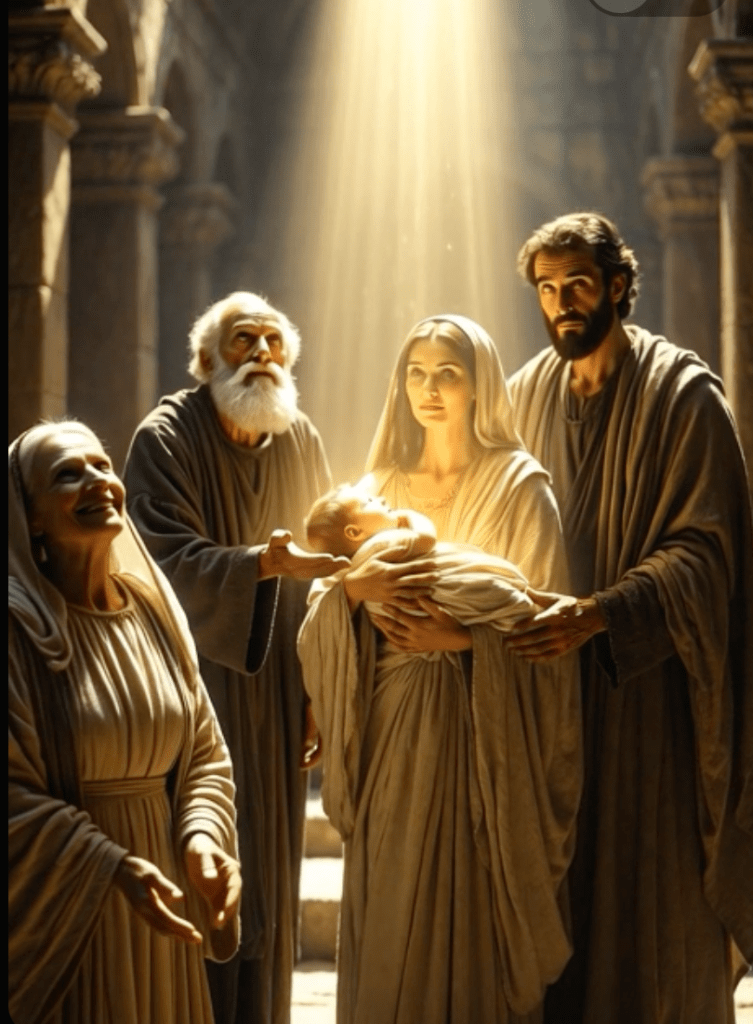
Dennis emphasises the importance of recognising Christ in our midst through acts of mercy and humility, reflecting on the scriptural foundation laid by figures like Simeon and Anna. He highlights that God’s presence often manifests in the ordinary and lowly, teaching us that true salvation comes not from power but faith and devotion. The sermon urges the community to be attentive to Christ’s appearances in everyday situations and among the marginalised, challenging us to embody love and grace in our interactions. Ultimately, we are called vessels of God’s mercy, welcoming the Saviour with open hearts and recognising His transformative presence in our lives.

Breaking Open

Very courageous, Minister

Dennis reflects on the intersection of faith, history, and social justice, using examples from Australian folk songs and contemporary political challenges. He emphasises that Jesus’ message of liberation and compassion remains vital in today’s world, where many still face oppression. He cites Bishop Budde’s call for mercy and justice, urging believers to reflect God’s love and grace in their actions. The sermon concludes with a reminder that, like Ezra and Nehemiah, we are called to rebuild our communities by engraining the teachings of God in our hearts and voicing them in our world.

I’m over here!


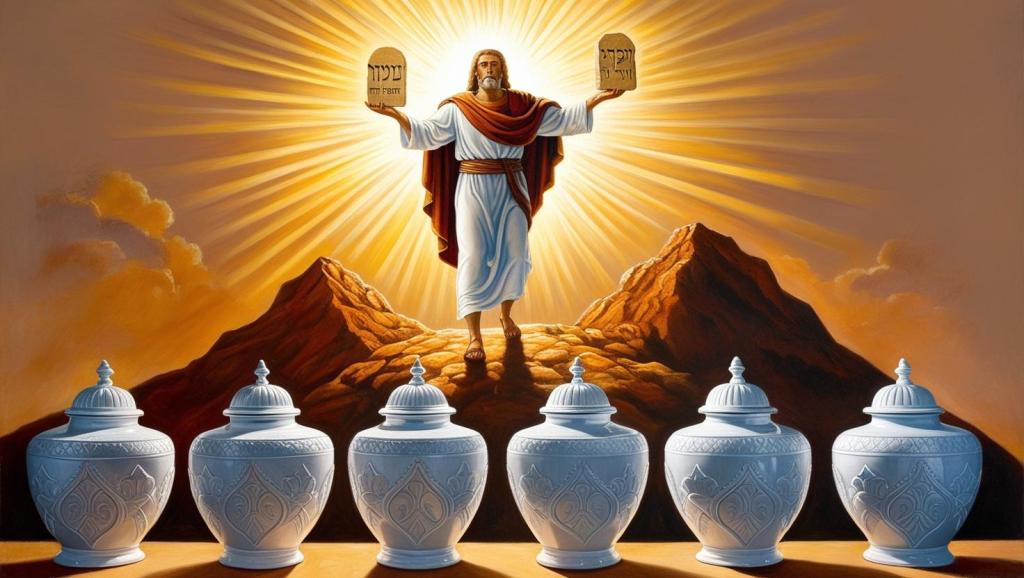
Spiritual gifts, jars of purification, on the third day, Moses delivers the words of God from Mount Sinai. Somewhere in all this, there is also a wedding where Jesus’ mother is referred to as a WOMAN. This is significant because the next time he calls her WOMAN, he will be beginning his reign from the cross. So many manifestations occur around this ‘first sign’. In the middle of this is a call to all of us to be ‘at mission.’ No wonder the best wine was saved until last!

Orient Tar


Dennis encourages reflection on the story of the magi as we enter the Epiphany season, highlighting their journey and gifts of gold, frankincense, and myrrh. He emphasises that the magi, likely wise men rather than kings, were guided by a star rather than human authority, symbolising humility and divine revelation. The narrative contrasts the magi worship with Herod’s paranoia, illustrating that God’s kingdom reveals itself to seekers rather than the powerful. Dennis invites us to approach the Scriptures with an open heart, learning from the magi’s faith and attentiveness to God’s guidance.

Where did I leave that child?

Dennis celebrated the joy of the Christmas season while urging reflection on the true meaning behind the festivities. He encouraged listeners to recognise when they feel distant from God, drawing parallels with Mary and Joseph’s search for Jesus in the temple. Emphasising the importance of inviting God’s presence into everyday moments, he reminded the congregation that the greatest gift of the season is the ever-present love of God. As we celebrate, he urged everyone to reconnect with their faith and share God’s love with others during this beautiful time.

Love is all around us

So, what does this all mean? It signifies that worship isn’t just something we engage in but an integral part of who we are. It is about living every moment to honour God, allowing gratitude, love, and trust in the Holy Spirit to guide our thoughts, actions, and words.

Living a life of worship beautifully deepens our connection with God. It transforms and strengthens us, allowing us to reflect God’s love in amazing ways that can change our world. It’s no wonder that the Song of Mary, the Magnificat, highlights the magnificent worship we can embrace to support all we are and can become. 

Let’s embrace lives filled with worship—each day, in every little way—because our God truly deserves all our devotion. May all that we do showcase our hope, our desire for peace, and the joy that surprises us in the most unexpected moments and places. This joy forms the beautiful foundation of love that has come into the world. Indeed, God’s name is holy, and his mercy lasts forever! 

Joy in the Waiting: A Surprise in the Season of Advent


In his sermon titled “Joy in the Waiting: A Surprise in the Season of Advent,” Dennis highlights the profound significance of joy during Advent, noting that it rises above life’s challenges as illustrated in Philippians and Zephaniah. He meditates on the joy that comes from repentance, as emphasised by John the Baptist, and how this renewal process opens our hearts to transformation and fosters a closer bond with God.

Dennis urges us to nurture joy through prayer, thankfulness, and trust, emphasising that authentic joy can be discovered amid uncertainty and waiting. Ultimately, he encourages everyone to welcome the unexpected joys on our path as we look forward to Christ’s second coming.

Hope and Yet Peace Awaits When You Return to Me

This week, Dennis highlights our Advent journey back to God, focusing on the hope that springs from our wilderness experiences. 

He vividly describes how these challenging times can lead to personal transformation, preparing us to share Christ’s peace with those around us. Dennis warmly encourages all believers to spread God’s peace through acts of kindness and reconciliation, creating a supportive and caring community. 

Ultimately, we are all invited to embrace the gifts of hope and peace, gently reminding us that we are all called to reflect God’s goodwill in our longing world.

Unfortunately, due to COVID-19, Dennis was not able to deliver this sermon.

Hope


Hope is a powerful force that shines brightly in troubled times, serving as both a promise and a call to action. Drawing from the Scriptures, hope is deeply connected to justice, love, and community support, urging believers to reflect God’s love in their lives actively. The message encourages individuals to remain vigilant and engaged, fostering relationships founded on compassion as they navigate the world’s challenges. Ultimately, this hope inspires believers to be agents of transformation, embodying the light of hope even in the darkest circumstances.

The Reign of Christ

This sermon explores the themes of truth and authority through the interactions between Pilate and Jesus, highlighting the complexities of understanding truth in a world shaped by human perspectives. He reflects on the absurdity of outward appearances, using the metaphor of oysters dressed in suits to illustrate the contrast between superficiality and the profound nature of divine truth. Jesus defends his kingship, emphasising that actual authority transcends earthly power and is rooted in a relationship with the divine. Ultimately, he invites the congregation to embrace an unsettling truth that liberates and prepares them for the upcoming Advent season, encouraging a deeper reflection on their faith and the coming of God’s reign in their hearts.
 

The Cost of Discipleship and Managing Expectations


Today’s reflection emphasises that true discipleship demands a deep commitment and resilience, often involving significant sacrifices. Drawing from scriptures such as Daniel, Psalm 16, Hebrews, and Mark, highlights of the trials and expectations of following Christ, including endurance during challenging times are explored. The cost of discipleship through the life of Hilda of Whitby, whose dedication to ecclesiastical authority and orthodoxy serves as a model for modern believers. Ultimately, we are reassured that while the path may be difficult, the promise of God’s presence and the reward of eternal life far outweigh the sacrifices made.

Doth butter no parsnips…


This sermon explores Jesus’ call to love God with all our heart, soul, mind, and strength and to love our neighbour as ourselves. It draws on the example of the widow at Zarephath, who gave from her scarcity, trusting God to provide. True devotion is trusting God’s provision rather than seeking status or personal gain. Empowered by Jesus’ ultimate sacrifice, we are called to give entirely from our lives, knowing He strengthens us for the journey. 


“Doth butter no parsnips” is an English idiom that means, roughly, “Empty words without action achieves nothing.” It is a 17th-century proverb, “Fine Words Butter no Parsnips”, and in this context, it is directed at the action of the Rich Scribes who give of their abundance but do nowt help the widow, who gives her all.

“nowt”… nothing, SFA, NAFT…or any modern idiom you might prefer.

Luke Window

New windows were installed Friday at St Peter’s by the Lake, Paynesville, Victoria, AU. Artist: Bruce Hutton, Almond Glass.

On the Road Again

The sermon for Pentecost 22B discusses Jesus’ journey to Jerusalem, highlighting his foretelling of suffering and death while preparing his disciples for the realities of his mission. The interaction between Jesus and the disciples reveals their misunderstanding of his purpose as they seek positions of power in his impending glory. Emphasising that true greatness in the kingdom lies in serving others rather than seeking authority, it reflects on their motives, encouraging them to act out of love and service rather than duty.

This coming Thursday is the 79th anniversary of the inauguration of the United Nations.

Doing Good Out of Love, Not Duty

The sermon emphasises that good works should stem from a heart transformed by love for God and others rather than mere obligation. It explores the prophetic call to justice, highlighting Amos’s message that true worship involves justice and mercy rather than empty rituals. Various scriptures, including Hebrews and Mark, stress the importance of an authentic connection to God and the invitation to live a life free from attachments that hinder love. Ultimately, the call is to let our actions reflect the genuine love of God, serving as witnesses to His transformative power rather than completing a checklist of duties.

Heaven, must be there

Today’s sermon discusses the significance of angels as God’s messengers and their role in our lives, especially during the Feast of Michael and All Angels. It emphasises that angels, while powerful, serve with humility and simplicity, reflecting the divine connection between heaven and earth. The sermon encourages us to embrace our call to be messengers of God’s love, just as biblical figures like Mary and Philip did, by listening and responding to his guidance. Ultimately, we are reminded that we are never alone, as angels watch over us and empower us to share God’s message with others.

Humble Like a Child, Focused on the Kingdom

The sermon “Humble Like a Child, Focused on the Kingdom ” emphasises the importance of humility and the heavenly perspective in contrast to worldly ambitions.

Using Scripture, particularly the Gospel of Mark, the sermon illustrates that greatness in the Kingdom of Heaven comes from being like a child—serving others instead of seeking power or status.

Also highlighted is the destructive potential of our words, as mentioned in James, and encourages believers to trust in God’s justice rather than retaliate in conflicts.

Ultimately, the message calls us to look beyond earthly desires and focus on God, urging us to live humbly and serve one another while keeping our eyes fixed on His Kingdom.